
Are you still relying on outdated traffic methods while your competitors capture the most valuable prospects in the market? In the rapidly shifting digital economy of 2026, the difference between scaling your business and falling behind often comes down to the quality of your incoming traffic.
Effective lead generation requires more than just volume; it demands precision. By focusing on Tier 1 regions, you ensure your message reaches audiences with the highest purchasing power and engagement potential.
Utilizing premium traffic sources is no longer optional for brands aiming to maintain a competitive edge. When you integrate high-quality Solo ads into your marketing mix, you tap into a refined ecosystem designed for conversion. This article explores the essential strategies for mastering Tier 1 outreach and optimizing your lead generation efforts for the current year. Discover how to leverage these Solo ads to build a sustainable and profitable pipeline.
Key Takeaways
- Focusing on high-quality traffic and solo ads are essential for modern business growth.
- Tier 1 regions offer the best return on investment for your marketing budget.
- Precision in audience targeting outperforms broad, low-quality traffic strategies.
- Adapting to 2026 digital trends is critical for maintaining a competitive advantage.
- Strategic traffic acquisition builds a more sustainable and profitable sales pipeline.
Ready to Generate Higher-Quality Leads from Tier 1 Markets?
Stop wasting your budget on low-intent traffic that never converts. Reach real buyers from the United States, Canada, the UK, Australia, and New Zealand with premium Tier 1 solo ad campaigns built for performance.
The Current State of Solo Ads in 2026
Navigating the world of solo ads requires a fresh perspective in today’s privacy-focused digital climate. While many marketers chase fleeting trends on social media, the core of effective lead generation has returned to direct, permission-based communication. You must understand that the landscape has shifted, but the fundamental power of reaching your audience directly remains stronger than ever.
Why Email Marketing Remains a Cornerstone of Digital Marketing
Email marketing continues to serve as the most reliable bridge between your brand and your potential customers. Unlike social media platforms that frequently change their algorithms to limit your organic reach, your email list is an asset you actually own. This direct line of communication ensures that your solo ads message reaches the inbox without being filtered by third-party gatekeepers.
The stability of this channel provides several distinct advantages for your business growth:
- Direct Ownership: You are not at the mercy of platform policy changes.
- Higher Intent: Subscribers who opt-in are actively seeking your specific solutions.
- Consistent Engagement: You can nurture relationships over time through automated sequences.
Adapting to Privacy Changes and Deliverability Standards
The digital environment now prioritizes user privacy, which means you must be more diligent with your technical setup. Stricter inbox filtering protocols are the new norm, and failing to comply can land your messages in the dreaded spam folder. To maintain high deliverability, you must implement robust authentication protocols for your domain.
Focus on these technical pillars to ensure your email marketing efforts succeed:
- SPF (Sender Policy Framework): Verify that your server is authorized to send mail on your behalf.
- DKIM (DomainKeys Identified Mail): Add a digital signature to your emails to prove they have not been tampered with.
- DMARC (Domain-based Message Authentication, Reporting, and Conformance): Protect your domain from spoofing and phishing attempts.
By prioritizing these standards, you build trust with internet service providers. This technical foundation allows your solo ads campaigns to perform at their peak, ensuring that your hard-earned leads actually see your content.
Defining Tier 1 Traffic and Why It Matters for Your ROI
Not all clicks are created equal when you are building a profitable sales funnel. To achieve a sustainable return on investment, you must prioritize Tier 1 traffic sources that offer the highest probability of conversion.
Focusing on these premium visitors ensures that your solo ads marketing budget is spent on individuals with the intent and capacity to purchase your products. By filtering out low-intent traffic, you protect your brand and improve your overall lead generation efficiency.
Identifying Key Geographic Markets in the United States and Beyond
Geography serves as a primary indicator of purchasing power in the digital landscape. Most marketers define Tier 1 countries as English-speaking nations with stable economies and high consumer spending habits.
The primary markets include the United States, Canada, the United Kingdom, Australia, and New Zealand. Targeting these regions allows you to reach an audience that is accustomed to online transactions and digital service consumption.
The Quality Difference Between Tier 1 and Tier 2 Leads
The distinction between traffic tiers often determines the success of your lead generation efforts. While lower-tier traffic might appear cheaper on the surface, it frequently results in higher bounce rates and lower long-term value.
The following table highlights the core differences between these traffic categories to help you make informed decisions:
| Feature | Tier 1 Traffic | Tier 2 Traffic |
|---|---|---|
| Purchasing Power | High | Low to Moderate |
| Engagement Rates | Consistent | Sporadic |
| Conversion Potential | Superior | Limited |
Investing in Tier 1 leads provides a more reliable foundation for your business. You will find that these prospects are more likely to engage with your email sequences and move through your funnel with greater ease.
How to Vet Solo Ad Providers to Avoid Bot Traffic
You must approach the selection of solo ad providers with a healthy dose of skepticism to ensure your investment yields real results. Not every vendor delivers high-quality human traffic, and failing to perform due diligence can waste your entire advertising budget on automated bots.
Analyzing Provider Reputation and Historical Data
Start your vetting process by looking for long-term consistency in the marketplace. Established vendors often maintain active profiles on platforms like Udimi or dedicated industry forums where community feedback is transparent.
Look for documented case studies or testimonials that span several months rather than just a few days. A solo ads reputable provider will gladly share historical data regarding their list growth and engagement rates. If a vendor cannot provide evidence of past performance, you should consider that a significant warning sign.
Requesting Proof of Traffic and Click Quality
Before committing to a purchase, ask the provider for a sample of their tracking reports. You want to see evidence of unique clicks rather than just raw hits, as raw numbers often include bot activity that does not convert.
Verify that the traffic originates from your target geographic regions. High-quality solo ads should be transparent about their list demographics, ensuring that the subscribers are actually interested in your specific niche.
Even with careful research, you must remain vigilant for signs of low-quality traffic. If you notice any of the following, it is best to walk away and find a different partner:
- Unrealistic guarantees: Promises of specific sales or conversion rates are almost always a sign of fraud.
- Suspiciously low pricing: If the cost per click is significantly below the market average, the traffic is likely low-quality or automated.
- Lack of communication: A professional provider will answer your questions about their list building methods clearly and promptly.
- High bounce rates: If your landing page analytics show an immediate exit, the traffic source is likely not human.
By maintaining these strict standards, you protect your brand and ensure that your marketing efforts reach real people who are genuinely interested in your offer.
Crafting High-Converting Landing Pages for Solo Ad Traffic
Turning solo ads traffic into qualified leads requires a precise blend of design and psychology. When you invest in traffic, your landing page acts as the final gatekeeper for your lead generation success. If the page fails to resonate, your marketing budget is effectively wasted.
Great Landing Pages Need Great Traffic
Even the best-converting funnel cannot succeed without the right audience. Our Tier 1 solo ad network delivers targeted, engaged subscribers who are actively looking for solutions like yours.
Essential Elements of a Lead Capture Page
A high-performing page must be clean, focused, and free of unnecessary distractions. You should prioritize a single, clear call-to-action that tells the visitor exactly what to do next. Simplicity is your greatest ally when trying to capture contact information from new visitors.
Include a brief, benefit-driven description of what the user receives in exchange for their email. Avoid cluttering the page with navigation bars or external links that might lead the user away from your offer. Effective lead generation relies on keeping the user focused on the opt-in form.
Writing Compelling Headlines That Drive Opt-ins
Your headline is the first thing a visitor sees, and it must grab their attention immediately. It should address a specific pain point or promise a tangible result that your audience desires. Strong headlines bridge the gap between the visitor’s curiosity and your solution.
Use power words that evoke emotion or urgency without sounding like spam. Testing different variations of your headline is a standard practice for improving your lead generation metrics over time. A well-crafted headline sets the tone for the entire user experience.
The Importance of Page Load Speed and Mobile Responsiveness
Modern users expect instant results, and a slow-loading page will cause your bounce rate to skyrocket. You must ensure your hosting environment is optimized for speed to keep visitors engaged. Furthermore, since most traffic arrives via mobile devices, your design must be fully responsive.
If your page does not render perfectly on a smartphone, you will lose a significant portion of your potential leads. Prioritize a mobile-first approach to ensure that your forms are easy to fill out on smaller screens. Technical performance is just as important as your copy when it comes to conversion.
| Feature | High-Converting Page | Low-Converting Page |
|---|---|---|
| Load Time | Under 2 Seconds | Over 5 Seconds |
| Navigation | None (Focused) | Full Menu Included |
| Mobile Design | Fully Responsive | Desktop Only |
| Call to Action | Clear and Visible | Hidden or Vague |
The Role of Email Marketing Sequences in Lead Nurturing
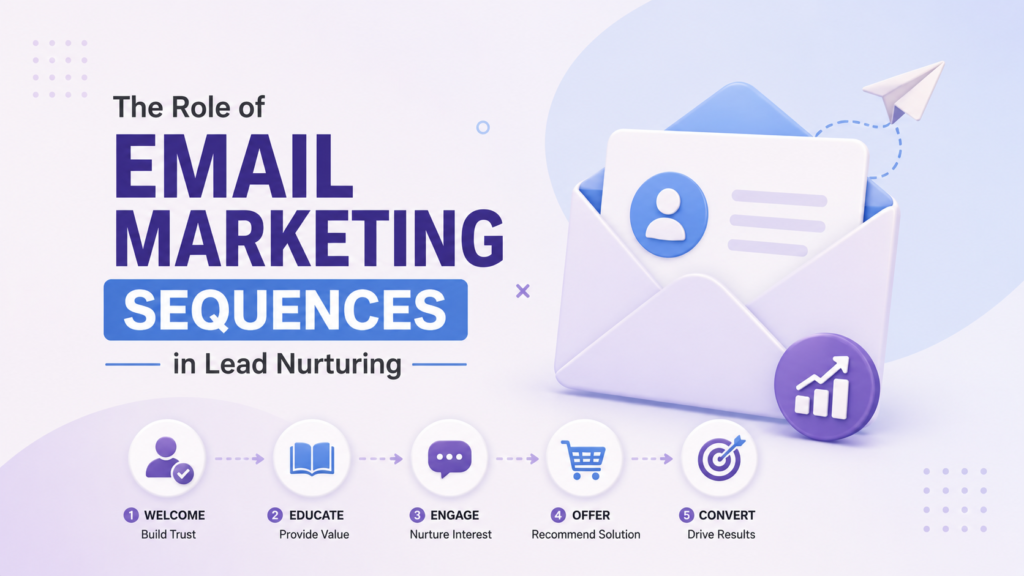
Effective email marketing is the bridge between a simple click and a long-term business relationship. When a new subscriber joins your list, they are at their highest point of interest in your brand. You must capitalize on this momentum by providing immediate value rather than just pushing for a sale.
Structuring Your Welcome Series for Maximum Engagement
Your welcome series should act as a digital handshake that establishes trust. Start by delivering exactly what you promised in your lead magnet, such as a free guide or a discount code. This initial interaction sets the tone for your future email marketing efforts.
- Deliver the promised incentive immediately.
- Introduce your brand story to build human connection.
- Set expectations regarding how often you will contact them.
“The goal of a welcome series is not to close a deal, but to open a conversation that lasts for years.”
Balancing Value-Driven Content with Promotional Offers
Maintaining a healthy list requires a careful balance between education and sales. If you only send promotional emails, your subscribers will quickly lose interest or unsubscribe. Instead, focus on providing actionable insights that solve specific problems for your audience.
A good rule of thumb is to provide three pieces of high-value content for every one promotional offer. This strategy ensures that your email marketing remains a welcome addition to their inbox rather than a nuisance. By positioning yourself as a helpful resource, you naturally increase the likelihood that they will purchase when you do make an offer.
Automating Follow-ups to Increase Long-Term Conversion Rates
Automation allows you to scale your solo ads lead nurturing without sacrificing the personal touch. By setting up a sequence of pre-written messages, you ensure that every new lead receives consistent attention regardless of when they sign up. This systematic approach to email marketing keeps your brand top-of-mind during the entire customer journey.
Use your automated flows to segment your audience based on their interactions with your content. If a subscriber clicks on a specific link, you can trigger a follow-up sequence tailored to that interest. This level of personalization is the key to driving higher conversion rates over the long term.
Strategic Budgeting When You Buy Solo Ads
When you decide to buy solo ads, your financial strategy determines your long-term success. Without a clear plan, it is easy to overspend on traffic that fails to convert into meaningful revenue. You must treat every dollar spent as an investment that requires careful tracking and optimization.
Determining Your Cost Per Lead Threshold
Before launching any campaign, you need to calculate your maximum allowable cost per lead (CPL). This figure represents the highest amount you can pay for a subscriber while still maintaining a profitable margin on your backend offers. If your average customer lifetime value is fifty dollars, your CPL should remain significantly lower to account for operational costs.
You can use the following table to visualize how different budget allocations impact your testing phase versus your scaling phase. This structure helps you maintain control over your cash flow while gathering essential data.
| Campaign Phase | Budget Allocation | Primary Goal | Risk Level |
|---|---|---|---|
| Initial Test | 10% – 15% | Verify Traffic Quality | Low |
| Optimization | 25% – 30% | Improve Conversion Rate | Medium |
| Scaling | 55% – 65% | Maximize ROI | High |
Starting Small to Test Provider Reliability
Never commit your entire marketing budget to a single vendor on your first attempt. Solo ads require a vetting process where you start with small, controlled purchases to evaluate the quality of the clicks. By purchasing a small batch of clicks, you can observe how the traffic interacts with your landing page without risking significant capital.
“The secret to successful advertising is not in the size of the budget, but in the intelligence of the test. Always validate your assumptions before you scale.”
Once you confirm that a provider delivers genuine human traffic that aligns with your target audience, you can gradually increase your spend. This disciplined approach protects your business from sudden losses and ensures that you only scale campaigns that demonstrate a clear path to profitability. Consistency in your testing phase is the most reliable way to build a sustainable lead generation machine.
Technical Setup for Tracking and Attribution
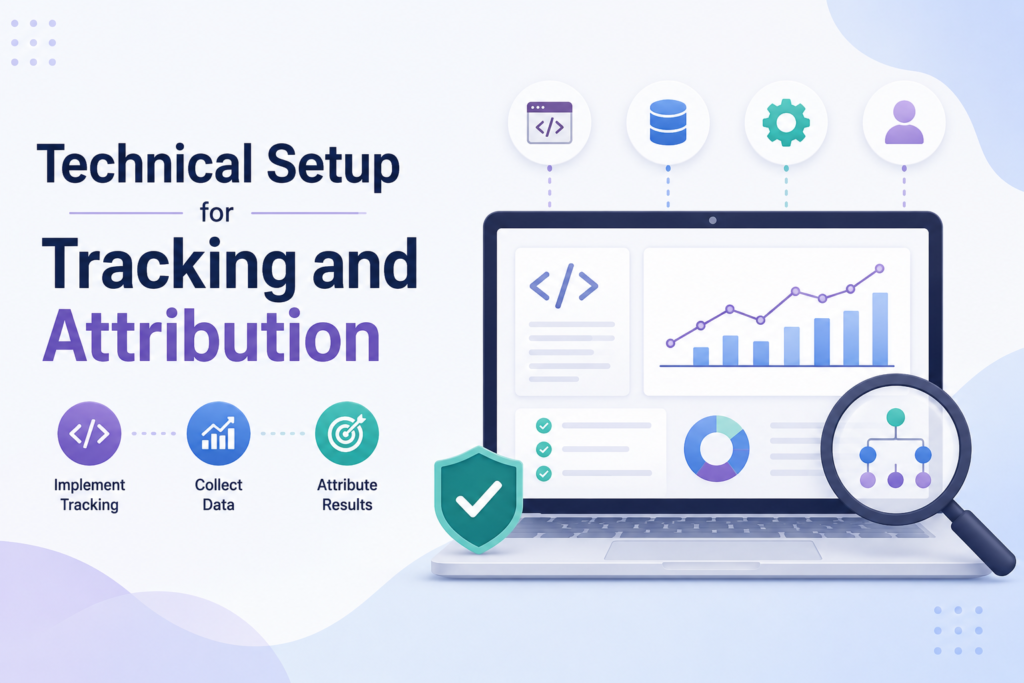
You cannot improve what you do not measure, especially when investing in paid traffic. Establishing a robust technical infrastructure is the only way to ensure your marketing dollars are working effectively. When you buy solo ads, you need clear visibility into every click to verify that you are receiving the quality you paid for.
Using Third-Party Trackers to Verify Clicks
Relying solely on the statistics provided by a vendor is a common mistake. Instead, you should implement a professional third-party tracking solution like ClickMagick or Voluum to gain independent verification of your traffic.
These tools allow you to monitor the origin of your clicks and identify potential bot activity in real-time. By filtering out low-quality traffic, you protect your budget and ensure that your landing page receives genuine human interest. This level of transparency is vital when you decide to buy solo ads from new or unverified sources.
Setting Up Conversion Pixels for Accurate Data
Once you have verified your clicks, the next step is tracking what happens after a visitor lands on your page. You must install conversion pixels on your “Thank You” or confirmation pages to capture data on every successful opt-in.
These pixels send signals back to your tracking platform, allowing you to calculate your exact cost per lead. Accurate data is the foundation of a scalable strategy, as it helps you identify which providers deliver the highest conversion rates. By consistently monitoring these metrics, you can refine your approach and make smarter decisions every time you buy solo ads for your business.
Optimizing Your Funnel Based on Tier 1 Solo Ads Performance
Data is the compass that guides your success when working with high-quality solo ads traffic. When you invest in Tier 1 solo ads, you gain access to valuable insights regarding how your target audience interacts with your brand. By treating every campaign as a learning opportunity, you can refine your approach to maximize your return on investment.
A/B Testing Your Opt-in Forms and Headlines
The most effective way to improve conversion rates is through rigorous A/B testing. You should never assume that your first draft is the best version. Instead, test one variable at a time to see what truly drives your visitors to take action.
Consider these essential elements for your testing strategy:
- Headlines: Test benefit-driven language against curiosity-based hooks to see which captures more attention.
- Opt-in Forms: Experiment with the number of fields, button colors, and placement to reduce friction.
- Call-to-Action (CTA): Use strong, action-oriented verbs to encourage immediate sign-ups.
Analyzing Drop-off Points in Your Sales Funnel
Even with high-quality Tier 1 leads, some visitors will inevitably leave your funnel before converting. Your goal is to identify these specific leak points and patch them quickly. Use tracking software to visualize the path your users take from the initial click to the final sale.
If you notice a high bounce rate on your landing page, your headline or offer might not align with the traffic source. If users reach your thank-you page but fail to open your follow-up emails, your welcome sequence may need a stronger hook. Consistent monitoring allows you to make small, data-backed adjustments that lead to significant long-term growth for your Tier 1 campaigns.
Common Pitfalls to Avoid in Your Lead Generation Campaigns
Success in digital marketing often depends more on what you avoid than what you actually do. Even with a high-quality offer, specific strategic errors can derail your progress and waste your hard-earned budget. Mastering email marketing requires constant vigilance against these common traps.
Over-relying on a Single Traffic Source
Many entrepreneurs make the mistake of funneling their entire budget into one provider. While a single source might perform well initially, relying on it exclusively creates a dangerous point of failure. If that source changes its algorithm or loses traffic quality, your entire business could stall overnight.
“Do not put all your eggs in one basket.”
Diversification is the key to long-term stability. By testing multiple providers, you protect your funnel from sudden shifts in the marketplace. Use the following table to compare the risks of different traffic strategies:
| Strategy | Risk Level | Stability |
|---|---|---|
| Single Source | High | Low |
| Diversified | Low | High |
| Organic Only | Medium | Variable |
Ignoring List Hygiene and Email Deliverability
Your email marketing efforts are only as effective as your ability to reach the inbox. Many marketers neglect list hygiene, allowing inactive or invalid addresses to clutter their database. This practice significantly damages your sender reputation with major providers like Gmail and Outlook.
Consistent cleaning of your list ensures that your engagement metrics remain high. When you remove inactive subscribers, you improve your open rates and protect your domain authority. Remember that quality will always outperform quantity when it comes to building a sustainable, responsive audience.
Scaling Your Results with Consistent Solo Ad Testing
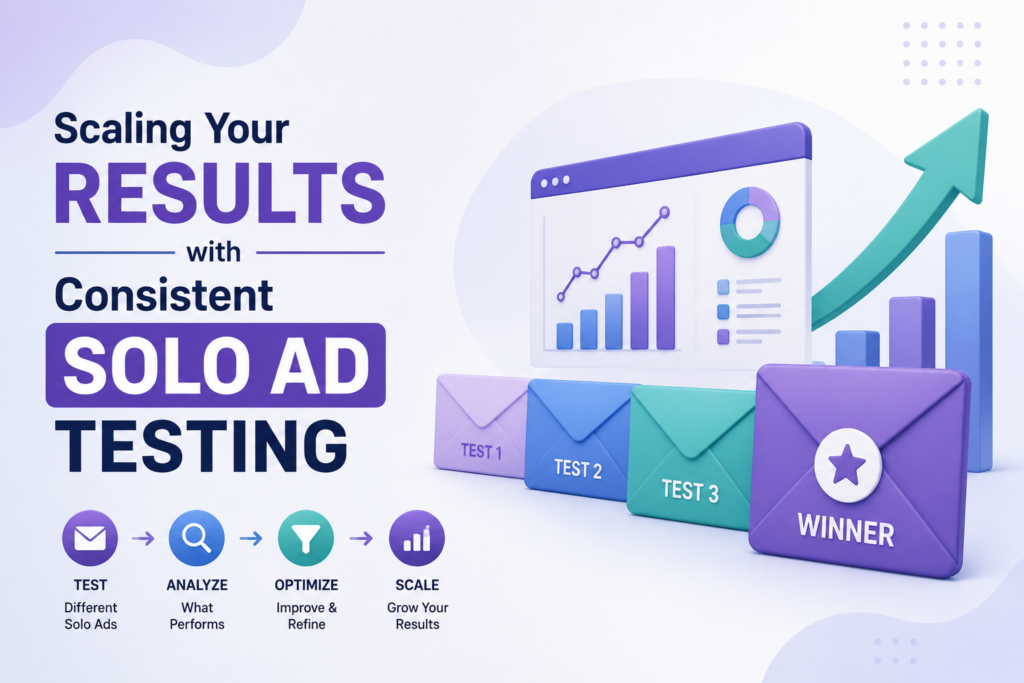
Scaling your lead generation efforts is not just about spending more money; it is about making smart, data-driven decisions. To achieve sustainable growth, you must treat your traffic acquisition as a continuous experiment. By refining your approach to solo ads, you can ensure that your funnel remains filled with high-quality prospects who are ready to engage with your brand.
Developing a Rotation of Trusted Providers
Relying on a single source for your traffic is a risky strategy that can leave your business vulnerable to sudden shifts in quality. Instead, you should cultivate a diverse list of vetted solo ad providers who consistently deliver results. Building these relationships allows you to maintain a steady flow of leads even when one source experiences a temporary dip in performance.
Create a tracking system to monitor the performance of each partner over time. By rotating through your list of trusted solo ad providers, you keep your data fresh and avoid the fatigue that often occurs when hitting the same audience repeatedly. This proactive management ensures that your campaigns remain resilient against market fluctuations.
Scaling Up Successful Campaigns While Cutting Underperformers
Once you identify a campaign that meets your conversion benchmarks, it is time to scale your investment. Increasing your budget on high-performing segments allows you to capture more market share while maintaining a healthy return on investment. Always scale incrementally to ensure that the quality of leads remains consistent as you increase your volume.
Conversely, you must be ruthless when cutting underperformers. If a specific set of solo ads fails to hit your target cost-per-lead after multiple tests, stop the spend immediately. Protecting your capital is just as important as finding new growth opportunities. By systematically eliminating what does not work, you clear the path for more profitable ventures.
Integrating Solo Ads with Other Traffic Sources
Smart marketers know that solo ads work best when they are part of a larger, multi-channel puzzle. Relying on a single point of entry for your traffic often leaves your business vulnerable to algorithm shifts or platform changes. By diversifying your approach, you create a more resilient foundation for your lead generation efforts.
Creating a Multi-Channel Lead Generation Strategy
A robust strategy involves meeting your audience where they spend their time. While email remains a powerful tool, you should complement it with content marketing, organic search engine optimization, and paid social media campaigns. This holistic approach ensures that your brand stays top-of-mind throughout the entire customer journey.
“True marketing resilience comes from owning your audience while simultaneously casting a wide net across multiple digital touchpoints.”
When you combine these channels, you increase the lifetime value of every lead. You are no longer just sending a cold email; you are building a multi-layered relationship that fosters trust and authority.
Retargeting Solo Ad Leads via Social Media Platforms
Not every visitor will opt-in on their first encounter with your landing page. This is where retargeting becomes a game-changer for your lead generation campaigns. By placing a tracking pixel on your site, you can serve tailored ads to those who clicked your solo ads but did not complete the sign-up process.
This strategy keeps your offer in front of interested prospects as they browse platforms like Facebook or LinkedIn. It serves as a gentle reminder that encourages them to return and finish their journey. The following table highlights how different traffic sources contribute to your overall success:
| Traffic Source | Primary Benefit | Conversion Potential |
|---|---|---|
| Solo Ads | Immediate Traffic | High (Targeted) |
| Social Media | Brand Awareness | Medium (Nurturing) |
| Organic Search | Long-term Authority | High (Intent-based) |
By integrating these methods, you transform isolated clicks into a cohesive ecosystem. This consistency is the key to scaling your business effectively in a competitive digital landscape.
You now know what works in 2026. The next step is putting these strategies into action. Skip the trial-and-error phase and connect with proven email audiences that can help you generate leads, grow your list, and increase conversions faster.
Conclusion
Building a profitable business in 2026 requires a disciplined approach to solo ads traffic acquisition. You now possess the framework to navigate the complexities of premium traffic sources with confidence.
Success relies on your ability to vet providers, test landing pages, and refine your email sequences. You must treat every click as a data point that informs your next strategic move. This mindset transforms your marketing from a guessing game into a predictable engine for growth.
Maintain your focus on list hygiene and deliverability to protect your long-term assets. Use third-party tracking tools to verify your results and eliminate waste. Consistent optimization remains the primary driver of your return on investment.
Apply these professional insights to scale your operations across multiple channels. You have the tools to build a sustainable brand that reaches your ideal audience in the United States and beyond. Start your next campaign with clarity and purpose to achieve the results your business deserves.
FAQs
Why are solo ads still considered a premier strategy for lead generation in 2026?
Despite the constant evolution of social media algorithms, email marketing remains the most direct and reliable way to reach your target audience. By utilizing solo ad providers, you gain access to established, pre-warmed email lists, allowing you to bypass the volatility of traditional ad platforms and place your offer directly in the primary inboxes of high-intent prospects.
What specifically defines tier 1 traffic and why is it vital for my ROI?
Tier 1 traffic refers to prospects located in top-tier English-speaking countries with high purchasing power, such as the United States, Canada, the United Kingdom, Australia, and New Zealand. Focusing your budget on these geographic markets ensures that the leads you acquire have the financial capacity and cultural alignment to convert into high-value customers, maximizing your return on investment compared to lower-quality, international traffic.
How can I verify that the traffic I receive is not generated by automated bots?
To protect your marketing budget, you must use professional third-party tracking tools like ClickMagick or AnyTrack. These platforms provide transparency by analyzing IP addresses and engagement patterns to filter out suspicious activity. When you buy solo ads, always request historical performance data from the provider and look for real-time verification of human engagement to ensure you are paying for genuine interactions.
What are the most common red flags to watch for when vetting new solo ad providers?
You should be cautious of providers who offer prices significantly lower than the market average or those who promise guaranteed conversion rates, as no reputable seller can control how your offer performs. Other red flags include a lack of recent, verifiable testimonials from established brands and a refusal to allow the use of your own third-party tracking links during the campaign.
How should I structure my landing page to maximize conversions from tier 1 leads?
Your landing page must be optimized for mobile responsiveness and rapid load speeds to meet 2026 user experience standards. Focus on a clear, benefit-driven headline that addresses a specific pain point for your audience. Minimize friction by only asking for essential information, such as an email address, and ensure your call-to-action is prominent and persuasive to drive high opt-in rates from your solo ads traffic.
Why is an automated email sequence necessary after a lead opts into my list?
Acquisition is only the first step in the lead generation process. An automated welcome series allows you to nurture the relationship immediately, providing value and establishing your authority. By balancing educational content with strategic promotional offers, you keep your subscribers engaged and increase the likelihood of long-term conversions beyond the initial click.
What is the best approach to budgeting when I decide to buy solo ads for the first time?
You should adopt a disciplined testing strategy by starting with a small traffic package to validate a provider’s lead quality and responsiveness. Calculate your maximum allowable cost per lead based on your product’s profit margins and only scale your investment once a provider consistently meets your performance benchmarks. This approach minimizes risk while you build a rotation of trusted traffic sources.
Can I integrate my solo ads campaigns with other digital marketing channels?
Absolutely. A multi-channel strategy is highly effective for modern brand building. You can use the data from your email marketing leads to create custom audiences on platforms like Meta or LinkedIn. This allows you to retarget your solo ads leads with social media advertisements, reinforcing your message and increasing the lifetime value of every lead you capture through your initial campaigns.
How long does it take to see results from Tier 1 solo ads?
The timeline depends on your offer, landing page, and email follow-up sequence. Many marketers begin receiving leads immediately after a campaign launches, but meaningful sales data often requires several days or weeks of nurturing. Consistent testing and optimization are essential for maximizing the long-term performance of your solo ads campaigns.
Are Tier 1 solo ads suitable for affiliate marketing campaigns?
Yes. Tier 1 solo ads are widely used by affiliate marketers because they provide access to audiences with higher purchasing power and stronger engagement levels. When paired with a relevant offer and a well-structured funnel, solo ads can help affiliate marketers generate targeted leads and improve conversion rates across a variety of niches.
What metrics should I track to measure solo ads performance?
To accurately evaluate your campaign, monitor key performance indicators such as click-through rate (CTR), opt-in rate, cost per lead (CPL), email open rates, conversion rate, and return on investment (ROI). Tracking these metrics allows you to identify profitable traffic sources, optimize your funnel, and make informed decisions when scaling your solo ads campaigns.