
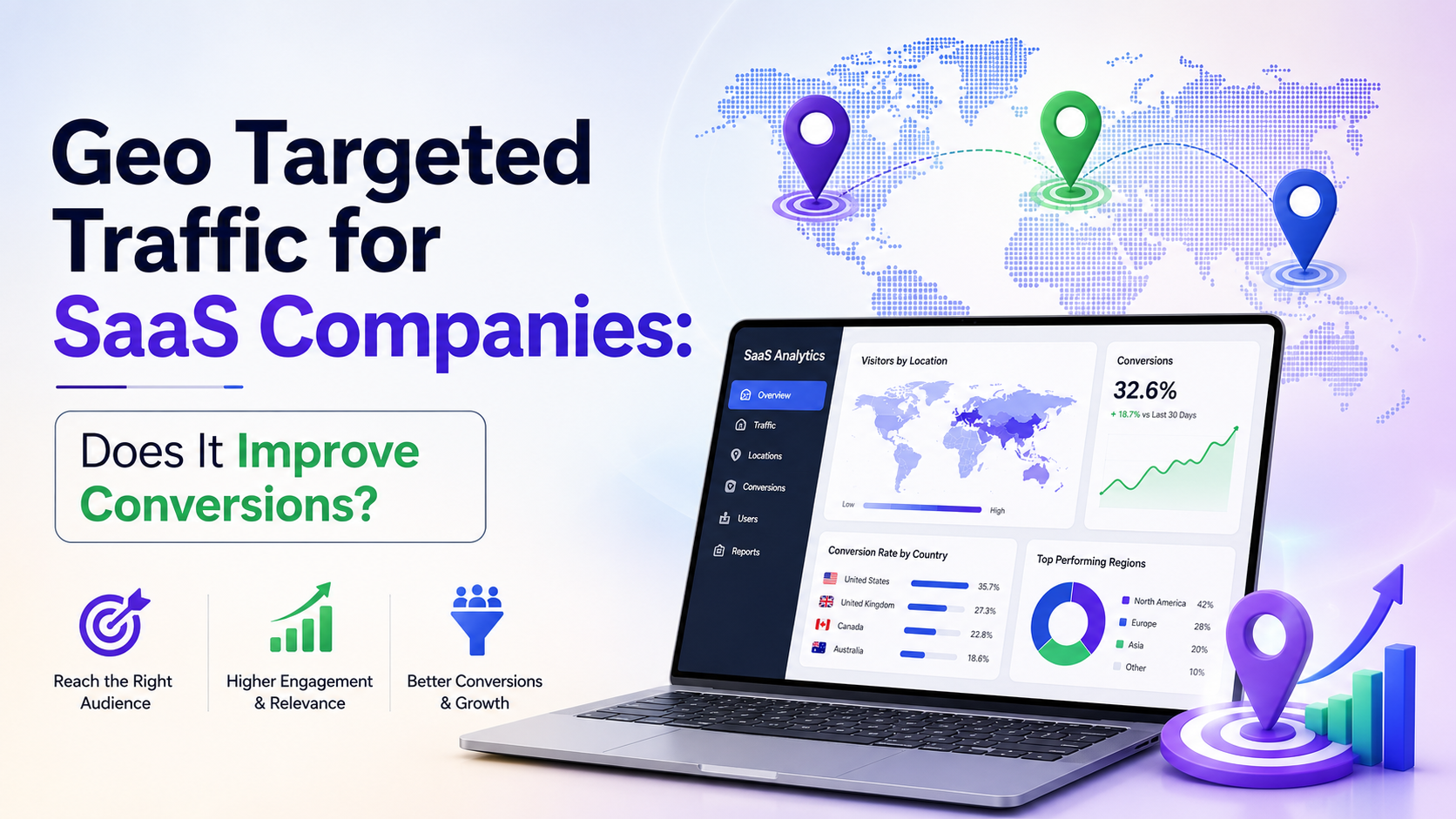
Did you know that SaaS platforms often see a 40% variance in conversion rates simply by adjusting their messaging for specific regional audiences? Many companies treat their global user base as a monolith, but this approach often leaves significant revenue on the table.
By utilizing geo targeted traffic, you can align your software solutions with the unique pain points of users in different states or cities. This strategy moves beyond basic demographics to address the cultural and economic nuances that drive purchasing decisions in the United States.
Focusing on location-based metrics is a powerful way to scale your platform effectively. When you tailor your digital presence to specific regions, you create a more personalized experience that resonates deeply with your prospects. Implementing geo targeted traffic allows you to optimize your marketing spend and ensure your message reaches the right people at the right time.
Key Takeaways
- Regional segmentation significantly boosts SaaS conversion rates.
- Understanding local market nuances improves user engagement.
- Location-based strategies help optimize your overall marketing budget.
- Personalized messaging creates a stronger connection with US prospects.
- Data-driven regional focus is essential for effective platform scaling.
Unlock High-Converting Geo Traffic Today
Discover how targeted regional campaigns can drive more qualified leads, increase conversions, and accelerate SaaS growth with traffic solutions tailored to your business goals.
What is the Mechanics of Geo Targeted Traffic?
To effectively reach your audience, you must first understand the digital signals tthat power geo targeted traffic and reveal where your users are located. Implementing geo targeted traffic strategies requires a solid grasp of how your platform identifies and segments users based on their physical presence. By leveraging these technical insights, you can deliver highly relevant content that resonates with specific regional needs.
How IP-Based Targeting Works for SaaS
At the core of location-based marketing is the IP address, a unique identifier assigned to every device connected to the internet. Your SaaS platform uses this data to perform a real-time lookup against massive geographic databases. This process allows you to determine a user’s city, state, or even zip code with high accuracy for more effective geo targeted traffic campaigns.
Once the location is identified, your system can trigger specific actions to enhance the user experience. Consider these common applications for geo targeted traffic:
- Dynamic Content Personalization: Displaying region-specific case studies or testimonials.
- Localized Pricing: Adjusting currency or subscription tiers based on local economic zones.
- Compliance Management: Ensuring your software adheres to regional data privacy laws like CCPA.
Distinguishing Between Organic and Paid Geographic Reach
While both methods aim to capture local interest, they function through different channels and budget allocations. Organic reach focuses on optimizing your digital footprint so that search engines naturally connect your platform with users in specific areas. This approach builds long-term authority and requires consistent investment in local SEO tactics.
In contrast, paid acquisition allows you to purchase geo targeted traffic through platforms like Google Ads or LinkedIn. This method provides immediate visibility and allows for granular control over which regions see your advertisements. Balancing these two strategies is essential for any SaaS leader looking to optimize their marketing budget while maintaining a strong, consistent presence across diverse American markets.
Why SaaS Companies Need Geo Targeted Traffic
Strategic growth in the software industry often hinges on your ability to reach the right people in the right places. By focusing your efforts on specific regions, you move away from generic outreach and toward a model that prioritizes high-intent users. This shift toward targeted website traffic allows you to align your resources with the markets most likely to yield long-term value.
Reducing Customer Acquisition Costs in Competitive Markets
Broad advertising campaigns often drain budgets by attracting clicks from users who have no intention of purchasing your software. When you narrow your focus, you eliminate the waste associated with non-targeted outreach. This precision ensures that your marketing spend is concentrated where it matters most when investing in geo targeted traffic.
By filtering your audience based on location, you can optimize your bidding strategies on platforms like Google Ads or LinkedIn. This approach helps you secure targeted website traffic at a lower cost per lead. You effectively stop paying for visibility in regions where your product may not be a cultural or economic fit.
“Efficiency is doing things right; effectiveness is doing the right things. In the world of SaaS, geographic focus is the ultimate tool for ensuring your marketing budget is spent on the right people.”
Improving User Retention Through Localized Experiences
Acquiring a customer is only the first step; keeping them requires a deep understanding of their specific needs. Providing a localized experience through geo targeted traffic can significantly boost your long-term retention rates. When users feel that a platform understands their regional context, they are far more likely to remain loyal.
Consider offering region-specific support hours or adapting your interface to reflect local language nuances. These small adjustments demonstrate that you value the user’s unique environment. By leveraging targeted website traffic to build a community rather than just a user base, you create a sustainable competitive advantage that is difficult for global competitors to replicate.
The Impact of Regional Preferences on SaaS Adoption
The United States is not a monolith, and your SaaS strategy must reflect that reality. While your software might solve a universal problem, the way businesses perceive and adopt that solution often shifts depending on their geographic location. Recognizing these differences is essential for long-term growth and successful geo targeted traffic strategies.
You must look beyond national averages to understand the specific operational habits of your target users. A one-size-fits-all approach frequently leads to friction, whereas a localized strategy builds trust and increases retention.
Cultural Nuances in the United States Market
Business culture in the United States varies significantly between coastal tech hubs and the American heartland. In major metropolitan areas, companies often prioritize rapid integration and cutting-edge automation. Conversely, businesses in more traditional regions may value stability, long-term support, and ease of implementation over experimental features.
“Localization is not just about translating words; it is about translating the way a business thinks, operates, and values its time.”
Understanding these subtle differences allows you to tailor your messaging effectively. If you ignore these cultural markers, you risk appearing out of touch with the daily realities of your potential customers.
Adapting Product Features for Regional Business Needs
To gain traction in diverse markets, you should conduct thorough research to align your product roadmap with local operational requirements. You might discover that a feature designed for high-speed urban environments needs a simplified interface to succeed in sectors with different connectivity or staffing constraints.
The following table highlights how regional business priorities can influence your feature development strategy:
| Region | Primary Focus | SaaS Feature Priority |
|---|---|---|
| Coastal Tech Hubs | Scalability & Speed | API Integrations |
| Midwest/Heartland | Reliability & Support | Onboarding Assistance |
| Southern Markets | Relationship Building | Personalized Account Management |
| Northeast/Financial | Security & Compliance | Advanced Data Encryption |
By adapting your features to meet these specific local demands, you create a more compelling value proposition supported by geo targeted traffic insights. This proactive approach ensures that your platform feels like a native solution rather than an imported tool. Ultimately, your ability to pivot based on regional feedback will define your success in the competitive American market.
Leveraging Geo Targeted SEO for Better Visibility
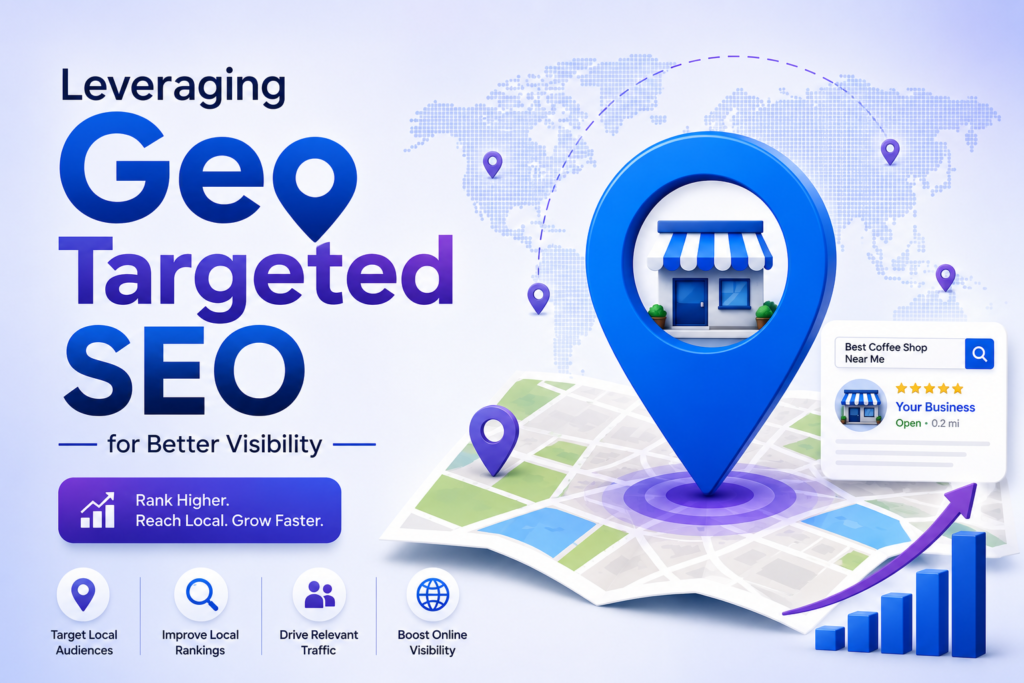
Achieving high visibility in specific regions requires a strategic approach to search engine optimization. By mastering geo targeted SEO, you can ensure that your SaaS platform appears exactly where your most valuable prospects are searching. This process involves more than just adding city names to your landing pages; it requires a deep understanding of regional market dynamics.
Optimizing Content for Local Search Intent
To capture the attention of regional users, you must tailor your content to address their unique pain points. Users in different states often use specific terminology or search for solutions that solve localized business challenges. By conducting thorough keyword research focused on regional variations, you can create content that resonates deeply with your target audience.
Focus on creating landing pages that highlight how your software integrates with local industry standards or regional regulatory requirements. When your content directly answers the specific questions of a local user, your conversion rates will naturally improve. This alignment between user intent and your messaging is the cornerstone of effective regional growth driven by geo targeted traffic.
Building Backlinks from Region-Specific Domains
High-quality backlinks from local sources serve as a powerful signal to search engines that your platform is relevant to a specific area. You should prioritize partnerships with regional industry publications and local business directories to boost your domain authority. These links act as a vote of confidence from the community you are trying to serve and strengthen your geo targeted traffic strategy..
Engaging with local chambers of commerce or regional tech associations can also provide valuable opportunities for organic link building. By consistently applying geo targeted SEO practices, you build a digital footprint that is difficult for competitors to replicate. This long-term investment in local authority ensures that your brand remains the top choice for prospects in your target markets.
Analyzing the Risks of Buying Geo Targeted Traffic
While the temptation to scale quickly is strong, the decision to buy geo targeted traffic often carries hidden dangers for your SaaS business. Many providers promise instant visibility in specific regions, but these shortcuts frequently compromise the quality of your user base. You must prioritize sustainable growth over rapid, artificial spikes in visitor numbers to protect your brand reputation.
Identifying Low-Quality Traffic Sources
When you source visitors from unverified third-party networks, you risk attracting low-quality traffic that never converts. These visitors often exhibit extremely high bounce rates and spend mere seconds on your landing pages. Such behavior signals to search engines that your content lacks relevance, which can ultimately damage your organic search rankings.
You should monitor your analytics dashboard for sudden, unexplained surges in traffic from specific geographic locations. If these visitors do not engage with your core features or sign up for trials, they are likely non-human or disinterested parties. Relying on this data will skew your conversion metrics and lead to poor strategic decision-making.
Protecting Your SaaS Platform from Bot Activity
The most significant danger when you buy geo targeted traffic is the prevalence of malicious bot activity. Automated scripts can overwhelm your servers, inflate your infrastructure costs, and potentially scrape your proprietary data. Implementing robust security measures is essential to ensure that your platform remains accessible to legitimate users.
Consider deploying advanced web application firewalls and CAPTCHA challenges to filter out non-human traffic. By maintaining strict security protocols, you safeguard your geo targeted traffic efforts from being undermined by fraudulent interactions. The following table outlines the key differences between organic growth and purchased traffic risks.
| Metric | Organic Traffic | Purchased Traffic |
|---|---|---|
| Conversion Rate | High and Stable | Low and Unpredictable |
| User Intent | High Relevance | Often Irrelevant |
| Security Risk | Minimal | High (Bot Exposure) |
| Data Integrity | Reliable | Compromised |
How to Align Your SaaS Messaging with Local US Markets
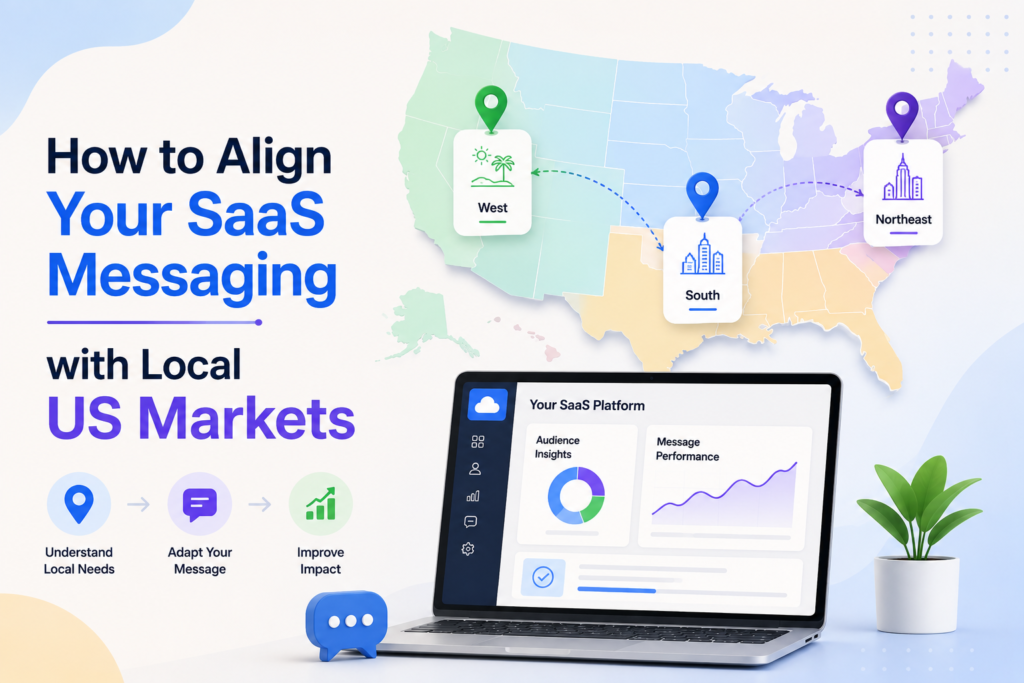
You can significantly boost your conversion rates by tailoring your brand voice to the specific economic realities of different US regions. When your messaging reflects the unique challenges of a local business, you move beyond being a generic vendor to becoming a trusted partner. This strategic alignment demonstrates that you truly understand the environment in which your customers operate.
Crafting Region-Specific Value Propositions
Your value proposition should not be a static statement that applies to every corner of the country. Instead, you must identify the specific pain points that vary by geography, such as regulatory hurdles in the Northeast or labor shortages in the Midwest. By highlighting how your software solves these localized problems, you create a more compelling narrative for your prospects.
Consider how a logistics SaaS might emphasize speed and efficiency in the dense urban corridors of the East Coast. Conversely, the same platform might focus on supply chain resilience and rural connectivity when targeting the American Heartland. Customizing your messaging ensures that your solution feels relevant and essential to the specific business climate of the region.
Adjusting Pricing Models for Different Economic Zones
The economic diversity across the United States means that a one-size-fits-all pricing strategy often leaves money on the table or alienates potential users. You should evaluate the purchasing power and market maturity of different states before finalizing your subscription tiers. This approach allows you to remain competitive in high-cost hubs while staying accessible in emerging tech markets.
Implementing regional pricing can be a powerful lever for growth when managed with transparency. You might offer specialized enterprise packages for high-density business centers while providing streamlined, cost-effective options for smaller regional firms. Strategic pricing adjustments signal that your company is invested in the long-term success of the local business ecosystem.
Measuring the ROI of Location-Based Marketing Campaigns
Evaluating the success of your marketing efforts requires a deep dive into location-based data. When you invest in geo targeted traffic, you need clear visibility into how these visitors behave compared to your broader audience. Without precise measurement, you risk wasting budget on regions that do not align with your product-market fit.
Ready to Scale Your SaaS in the Right Markets?
Explore our proven traffic solutions and find the perfect plan to attract high-intent visitors, boost regional visibility, and maximize your marketing ROI.
Key Performance Indicators for Geo-Specific Traffic
To determine if your strategy is working, you must track specific metrics that highlight regional performance. Start by monitoring the conversion rate per region to see where your messaging resonates most effectively. You should also calculate the Customer Acquisition Cost (CAC) for each geographic zone to ensure your spending remains sustainable.
Engagement metrics, such as time on site and bounce rate, provide further context for your geo targeted traffic. If users from a specific state show high engagement but low conversion, you may need to adjust your local landing pages. These indicators allow you to pivot your strategy before you exhaust your marketing budget.
Attribution Modeling for Regional Conversions
Understanding which touchpoints drive sign-ups is vital for optimizing your regional campaigns. Many SaaS companies rely on multi-touch attribution models to see how different channels contribute to a final conversion within a specific territory. By mapping the customer journey, you can identify which local ads or content pieces act as the primary catalyst for growth.
This granular approach helps you move beyond simple last-click attribution, which often ignores the complexity of regional buying cycles. When you accurately attribute value to your geo targeted traffic, you can confidently allocate resources to the most profitable zones. Use the following table to compare how different regions perform against your core business goals.
| Region | Conversion Rate | Avg. CAC | Retention Rate |
|---|---|---|---|
| Northeast | 4.2% | $120 | 88% |
| West Coast | 3.8% | $145 | 85% |
| Midwest | 3.1% | $95 | 82% |
| South | 2.9% | $110 | 79% |
Common Pitfalls When Implementing Geo Targeting
Many SaaS companies stumble when they first attempt to localize their digital presence. While the desire to reach specific regions is strong, the execution often suffers from avoidable errors. Some businesses mistakenly believe that they can simply buy geo targeted traffic to solve their growth problems, but this approach frequently leads to low-quality engagement.
Over-Segmentation and Its Impact on Data Accuracy
A frequent mistake is the tendency to over-segment your audience into tiny, hyper-local groups. While precision sounds beneficial, it often results in fragmented data sets that lack statistical significance. When your sample sizes become too small, you cannot draw reliable conclusions about user behavior or conversion patterns.
This lack of clarity makes it difficult to optimize your marketing spend effectively. Instead of creating meaningful insights, you end up with noise that obscures your actual performance metrics. Maintaining a balanced approach ensures that your data remains actionable and robust enough to guide your long-term strategy.
Ignoring Mobile-First Geographic Trends
Modern users frequently access SaaS platforms while on the move, making mobile-first geographic awareness essential. If your strategy ignores how mobile devices report location data, you risk missing a massive segment of your potential market. Mobile location accuracy is often different from desktop IP tracking, requiring a more nuanced technical setup.
Failing to account for these trends means your messaging might reach the wrong users at the wrong time. You must ensure your tracking tools are optimized for mobile signals to maintain a competitive edge. Avoiding these common traps allows you to scale your regional efforts with confidence and precision.
| Strategy Element | Ineffective Approach | Effective Approach |
|---|---|---|
| Segmentation | Hyper-local fragmentation | Regional clusters |
| Data Usage | Buying low-quality traffic | Organic local growth |
| Mobile Focus | Desktop-only tracking | Mobile-first location data |
| Outcome | Inaccurate insights | Actionable intelligence |
Tools and Technologies for Precise Geographic Segmentation
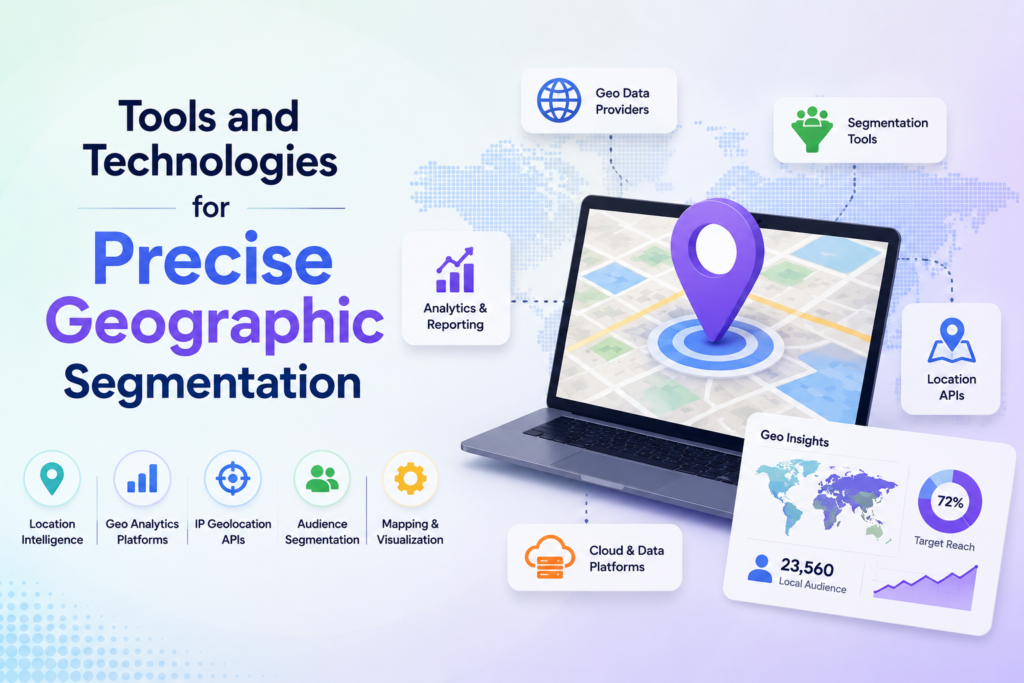
You can transform raw location data into actionable growth strategies by utilizing specialized analytics and CRM integrations. By leveraging the right technology stack, you ensure that your targeted website traffic efforts yield measurable results across diverse regions. These tools provide the visibility needed to refine your outreach and improve overall engagement.
Utilizing Advanced Analytics Platforms
Modern analytics platforms like Google Analytics 4 and Mixpanel offer granular insights into where your users reside. These tools allow you to filter performance metrics by city, state, or region, helping you identify which areas generate the most targeted website traffic. You can then allocate your marketing budget toward high-performing zones to maximize your return on investment.
Beyond basic location tracking, these platforms enable you to monitor user behavior patterns specific to certain climates or business cultures. By observing how visitors from different regions interact with your landing pages, you can make data-driven adjustments to your site layout. This level of precision ensures that your digital presence resonates with local audiences.
Integrating CRM Data with Geographic Insights
Connecting your website analytics with a robust CRM like Salesforce or HubSpot creates a unified view of your customer journey. When you sync geographic data with your sales pipeline, you gain a clearer picture of how targeted website traffic converts into long-term revenue. This integration allows your sales team to prioritize leads based on regional readiness and specific market needs.
By mapping customer interactions from the first click to the final contract, you can identify regional bottlenecks in your sales funnel. This holistic approach empowers your team to deliver personalized messaging that addresses the unique pain points of prospects in different economic zones using geo targeted traffic data. Consistent data flow between your marketing and sales platforms is essential for scaling your operations effectively.
| Tool Category | Primary Benefit | Best For |
|---|---|---|
| Web Analytics | Real-time location tracking | Traffic source analysis |
| CRM Systems | Customer lifecycle mapping | Lead qualification |
| Heatmapping Tools | Regional UI behavior | Conversion optimization |
Case Studies of Successful Regional SaaS Expansion
Examining how established SaaS brands conquered new territories reveals the true power of geographic focus. By analyzing these journeys, you can identify the specific tactics that turn a localized product into a national powerhouse.
Many companies start in major coastal hubs like San Francisco or New York before realizing the massive potential in the American heartland. This transition often requires a shift in how you approach your marketing and sales outreach.
Scaling from Coastal Hubs to the American Heartland
Consider the growth trajectory of platforms like HubSpot, which successfully expanded its reach by tailoring content to regional business needs. They recognized that the challenges faced by a startup in the Midwest differ significantly from those in Silicon Valley.
By deploying geo targeted seo, these companies ensured their messaging resonated with local industries. This strategy allowed them to capture market share in regions that were previously ignored by competitors.
You should note that this expansion was not accidental. It was the result of deliberate research into regional economic drivers and local search intent.
Lessons Learned from Rapid Regional Scaling
One of the most critical lessons from these success stories is the need for operational agility. When you scale rapidly, your infrastructure must support localized data requirements without sacrificing performance.
Another key takeaway is the importance of consistent brand messaging that still feels personal to the user. Using geo targeted seo helps you maintain this balance by delivering relevant content to the right audience at the right time.
Finally, remember that data accuracy is your best friend during this process. Companies that failed to integrate regional insights often struggled with high churn rates and misaligned sales expectations.
Turn Local Visitors Into Paying Customers
Stop wasting ad spend on broad audiences. Get premium geo-targeted traffic that reaches decision-makers and helps your SaaS convert more users into subscribers.
Conclusion
Mastering the art of geographic precision transforms how your software reaches its ideal audience. You now possess the strategic framework to align your messaging with the specific needs of users across the United States.
Your path to higher conversion rates relies on your ability to interpret regional data accurately and continuously refine your geo targeted traffic efforts. By integrating these insights into your daily operations, you create a more personalized experience that resonates with local business owners.
Success in this space demands a commitment to constant refinement. You must monitor how regional preferences shift and adjust your tactics to stay ahead of the competition. Use your analytics tools to track performance and pivot when the data suggests a new opportunity.
Your dedication to understanding the unique requirements of every market segment will pay off in long-term loyalty. Start applying these location-based strategies today to build a stronger, more resilient presence for your brand. Your future growth depends on your willingness to adapt to the diverse landscape of the American market.
FAQs
How does focusing on specific US regions improve my SaaS conversion rates?
By leveraging geo targeted traffic, you can tailor your digital presence to align with the unique cultural and business nuances of different regions. For example, a marketing message that resonates with a tech startup in San Francisco may need adjustments to appeal to a manufacturing firm in Ohio. Addressing these specific regional pain points directly increases the relevance of your solution, making users more likely to convert.
What is the technical difference between organic reach and paid geo targeted traffic?
Organic reach relies on geo targeted seo strategies, such as creating localized content and building regional backlinks, to attract visitors naturally via search engines. In contrast, paid geo targeted traffic involves using platforms like Google Ads or LinkedIn Ads to specifically display your software to users within a defined IP range or geographic boundary, allowing for immediate visibility in high-value markets.
Can I really reduce my Customer Acquisition Cost (CAC) by narrowing my geographic focus?
Yes. When you focus on high-intent targeted website traffic from specific states or cities, you avoid wasting your marketing budget on broad, national campaigns that often attract low-quality leads. This precision allows you to bid more competitively for relevant keywords and concentrate your resources where your SaaS platform has a clear regional advantage, effectively lowering your overall CAC.
How do I optimize my content for geo targeted seo without sacrificing brand voice?
You can maintain your brand integrity by crafting content that addresses local search intent through the lens of your unique value proposition. Incorporating region-specific case studies from clients in Austin or Chicago, and addressing local regulatory environments, allows you to rank higher for geographic queries while remaining an authority in the SaaS space.
Is it safe to buy geo targeted traffic from third-party providers?
If you decide to buy geo targeted traffic, you must exercise extreme caution. Many low-cost providers deliver poor-quality traffic or bot activity that can skew your data and harm your domain reputation. To protect your platform, it is better to invest in reputable ad networks and use security tools like Cloudflare to filter out malicious activity, ensuring your growth remains sustainable.
Why should a SaaS company consider adjusting its pricing models for different economic zones?
The economic landscape varies significantly across the United States. A pricing structure that is affordable for a firm in Manhattan might be perceived as a barrier to entry for a small business in a lower-cost economic zone. Adjusting your pricing or offering region-specific packages demonstrates that you understand your customer’s local reality, which can significantly boost adoption rates in diverse markets.
What are the best tools for tracking the ROI of my location-based marketing campaigns?
To accurately measure the success of your targeted website traffic, you should utilize advanced analytics platforms like Google Analytics 4 in conjunction with your CRM, such as Salesforce or HubSpot. These tools allow you to implement attribution modeling, helping you see exactly which regional touchpoints lead to conversions and which geographic segments offer the highest lifetime value.
What common pitfalls should I avoid when implementing geographic segmentation?
One of the most common mistakes is over-segmentation, which can lead to data sets so small they are no longer statistically significant. Additionally, many companies ignore mobile-first geographic trends. Since users often access SaaS tools like Slack or Trello while traveling, your targeting must be flexible enough to account for mobile users who may be moving between different geographic regions.
How have successful brands like Salesforce managed regional expansion so effectively?
Leading companies often start by dominating a specific hub and then use those success stories to build trust in the American heartland. They adapt their product features to meet the operational needs of local industries, such as tailoring CRM fields for agricultural businesses, ensuring that their software feels like a local solution rather than a generic coastal export.