
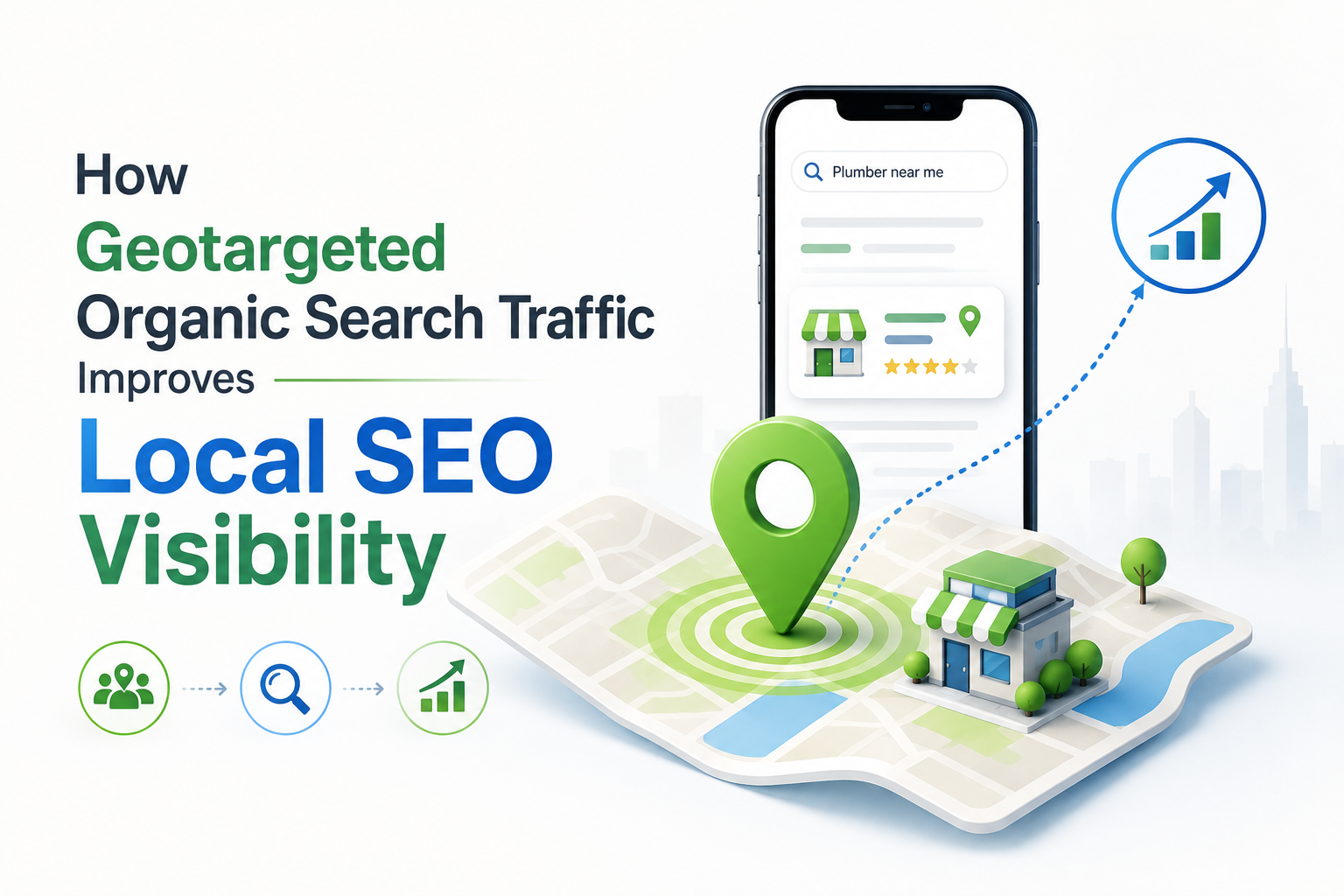
Have you ever wondered why your business remains invisible to neighbors who are actively looking for your services online? Many entrepreneurs mistakenly believe that digital success requires a global audience, yet the most profitable customers are often just a few miles away. A strong organic search traffic strategy helps connect your business with these nearby customers.
Focusing on Organic Search Traffic allows you to capture this nearby market share effectively. By prioritizing location-based signals, you ensure your brand appears exactly when potential clients need you most. This strategy transforms your digital presence into a powerful tool for driving physical store visits and service inquiries.
Mastering local seo visibility is not just about rankings; it is about dominating your immediate digital landscape. When you align your content with the needs of your community, you build trust and authority. This approach turns casual browsers into loyal, long-term customers who value your proximity and expertise.
Key Takeaways
- Targeting nearby customers is more effective than chasing global reach.
- Geotargeted signals help your business appear in relevant local results.
- High-quality visitors from your area are more likely to convert into sales.
- Dominating your local digital landscape builds lasting community trust.
- Strategic optimization bridges the gap between online interest and physical visits.
Turn Local Searches Into Real Customers
Your next customer is already searching for your services nearby. Make sure your business appears first when it matters most and turn local searches into qualified leads.
The Fundamentals of Local SEO and Organic Search Traffic
Building a strong digital presence starts with decoding the signals behind every search query. When you understand the mechanics of how people find businesses in their area, you gain a significant competitive advantage. This foundation is essential for long-term growth and ensures your brand remains visible to the right audience at the right time. It also creates a sustainable source of organic search traffic for your business.
Defining Local Search Intent
Local search intent occurs when a user looks for a service or product within a specific geographic area. These users are often highly motivated, as they are usually ready to make a purchase or visit a physical location. By focusing on this intent, you can capture high-quality Organic Search Traffic that is more likely to convert into actual revenue.
Search engines analyze these queries to determine if a user wants a quick answer or a nearby business recommendation. When your content aligns with these specific needs, you become the preferred choice for local customers. Recognizing this intent allows you to tailor your messaging to solve immediate problems for your community.
Why Organic Search Traffic Signals Matter to Search Engines
Search engines view Organic Search Traffic as a primary indicator of your website’s relevance and authority. When users consistently click on your site for location-based queries, algorithms interpret this behavior as a sign of trust. This positive feedback loop signals to platforms like Google that your business is a valuable resource for that specific region.
These engagement metrics provide the data necessary for search engines to prioritize your business over competitors. By consistently attracting relevant visitors, you prove that your site offers the best solutions for local needs. Ultimately, high-quality traffic acts as a powerful ranking factor that reinforces your position in local search results. Strong organic search traffic signals can further strengthen local rankings.
The Role of Geotargeting in Modern Search Algorithms
Modern search engines have evolved into highly sophisticated tools that prioritize geographic relevance above almost everything else. Your ability to maintain strong local seo visibility depends on how well your digital presence aligns with these location-aware systems. By understanding these mechanics, you can better position your business to capture high-intent traffic in your immediate area. This directly contributes to higher organic search traffic from local customers.
How Google Identifies User Location
Google employs a multi-layered approach to determine exactly where a user is located during a search query. The primary method involves analyzing IP addresses, which provide a general geographic footprint for desktop and home network users. For mobile devices, the process becomes much more precise by utilizing GPS data and nearby Wi-Fi access points.
These signals allow the algorithm to serve results that are hyper-relevant to the user’s current physical coordinates. Even if a user does not explicitly type a city name, the search engine assumes a local intent based on these technical identifiers. This automated process is the foundation of modern search engine ranking for brick-and-mortar businesses. Businesses that align with these signals often experience increased organic search traffic.
The Impact of Proximity on Search Engine Ranking
Proximity has emerged as a dominant factor that often outweighs traditional domain authority in local search results. When a user searches for a service, the algorithm calculates the distance between the user and potential business locations. This proximity-based filtering ensures that the most convenient options appear at the top of the local pack. As a result, businesses can attract more organic search traffic from nearby users.
Because of this, your search engine ranking is no longer just about the quality of your backlinks or content. It is about proving to the algorithm that your business is the most accessible choice for the user. By optimizing your site with clear geographic signals, you significantly improve your local seo visibility and ensure that your brand remains competitive in your specific service area.
Conducting Keyword Research for Localized Visibility
Effective search engine optimization relies heavily on your ability to decode the specific language of your local customers. By focusing on the terms that people in your area actually type into search engines, you can bridge the gap between digital discovery and physical store visits. This process is the foundation of seo for local visibility and ensures your business appears exactly when potential clients are ready to act. Effective keyword targeting can significantly increase organic search traffic.
Identifying High-Intent Local Keywords
To capture the right audience, you must prioritize terms that signal a clear intent to purchase or visit. High-intent phrases often include specific geographic modifiers, such as city names, neighborhoods, or even zip codes. For example, a user searching for “emergency plumber in Austin” is far more likely to convert than someone searching for general plumbing tips.
Performing thorough keyword research allows you to uncover these gold-mine phrases. You should look for long-tail keywords that combine your core service with a location-based qualifier. Focusing on these specific queries helps you attract visitors who are already deep in the decision-making process. These visitors often become highly valuable organic search traffic sources.
Analyzing Competitor Geotargeting Strategies
Understanding what your rivals are doing provides a roadmap for your own success. By observing which geographic areas your competitors target, you can identify underserved regions or specific service gaps. This insight allows you to pivot your strategy to capture traffic they might be missing. Doing so can unlock additional organic search traffic opportunities.
Start by examining the landing pages of top-ranking businesses in your area. Note how they weave location-specific terms into their headers and body text. Strategic keyword research is not just about finding your own terms; it is about spotting where others are weak. When you identify these gaps, you can tailor your content to dominate those specific niches and improve your overall seo for local visibility.
Optimizing On-Page SEO for Geographic Relevance
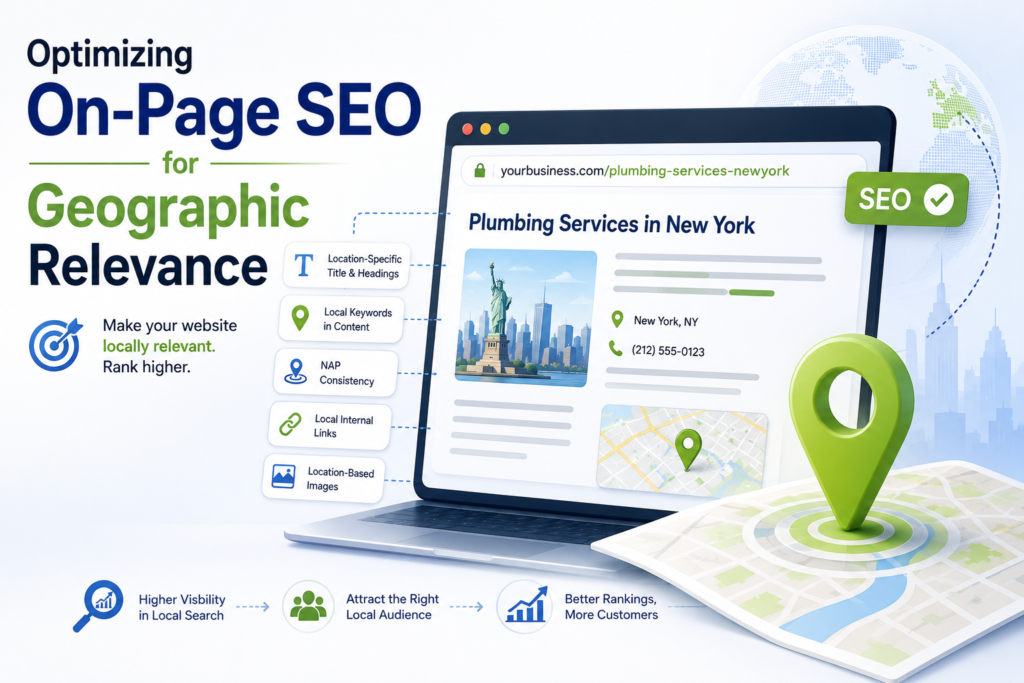
Your website serves as your digital storefront, and its local signals dictate how nearby customers find you. When you prioritize on-page seo, you provide search engines with the necessary context to rank your business for relevant geographic queries. This process involves aligning your site content with the specific needs and locations of your target audience. Proper optimization helps improve organic search traffic over time.
Crafting Location-Specific Meta Tags and Content
To capture local traffic, your meta titles and descriptions must clearly state your service area. Avoid generic headers; instead, include your city or region directly in the title tag to improve click-through rates. Consistency is key when you mention your location across your landing pages.
Your body content should also reflect the unique characteristics of your service area. Mention local landmarks, neighborhoods, or regional terminology to build trust with both users and search algorithms. Effective seo optimization relies on creating content that feels native to the community you serve. Community-focused content can generate more organic search traffic.
Implementing Schema Markup for Local Businesses
Structured data, specifically LocalBusiness schema, acts as a bridge between your website and search engines. By implementing this code, you explicitly define your business name, address, phone number, and operating hours. This technical layer ensures that search engines display your information accurately in local search results. Accurate business information supports stronger organic search traffic growth.
“Structured data is the language of the modern web, allowing search engines to understand the context of your business information with absolute precision.”
The following table highlights the differences between standard and localized on-page elements to help you refine your strategy.
| Element | Standard Approach | Localized Approach |
|---|---|---|
| Meta Title | Brand Name | Service | Service in [City Name] | Brand Name |
| Content Focus | General Industry Topics | Local Community Needs & Trends |
| Schema Data | Basic Organization | LocalBusiness with NAP & Hours |
By integrating these on-page seo tactics, you create a robust foundation for your digital presence. Remember that every detail, from your meta tags to your structured data, contributes to your overall seo optimization success. Keep your information updated to ensure that local customers always find the most accurate details about your business.
Leveraging Off-Page SEO to Boost Local Authority
Strategic off-page seo efforts serve as a powerful vote of confidence for search engines regarding your business location. While your website provides the foundation, external signals act as the proof that you are a trusted, active member of your community. By expanding your reach beyond your own domain, you effectively signal to algorithms that your business is a legitimate local entity. These signals can help increase organic search traffic.
Building Citations in Local Directories
Citations are mentions of your business name, address, and phone number (NAP) on external websites. Maintaining consistent data across these platforms is vital for local search success. When search engines see the same information repeated across reputable directories, they gain confidence in your physical presence. Greater trust can lead to more organic search traffic.
To maximize your impact, focus on these key areas:
- Claim your profiles on major platforms like Google Business Profile, Yelp, and Bing Places.
- Ensure your NAP data is identical on every single directory listing.
- Target niche-specific directories that cater to your industry or local region.
Earning Backlinks from Regionally Relevant Sources
Backlinks from local sources act as a digital endorsement of your business. When a local news outlet or a community organization links to your site, it tells search engines that you are deeply integrated into the local ecosystem. This type of off-page seo is far more valuable for local rankings than generic links from unrelated websites. It can also improve the quality of your organic search traffic.
Consider these strategies to build your regional authority:
- Sponsor local events or sports teams to earn mentions on their websites.
- Collaborate with local non-profits or community groups on charitable initiatives.
- Reach out to local bloggers or news editors to share unique stories about your business impact.
By consistently earning these high-quality signals, you solidify your status as a trusted local leader. These external efforts work in tandem with your on-page content to create a comprehensive strategy that search engines find impossible to ignore.
The Synergy Between Google Business Profile and Organic Traffic
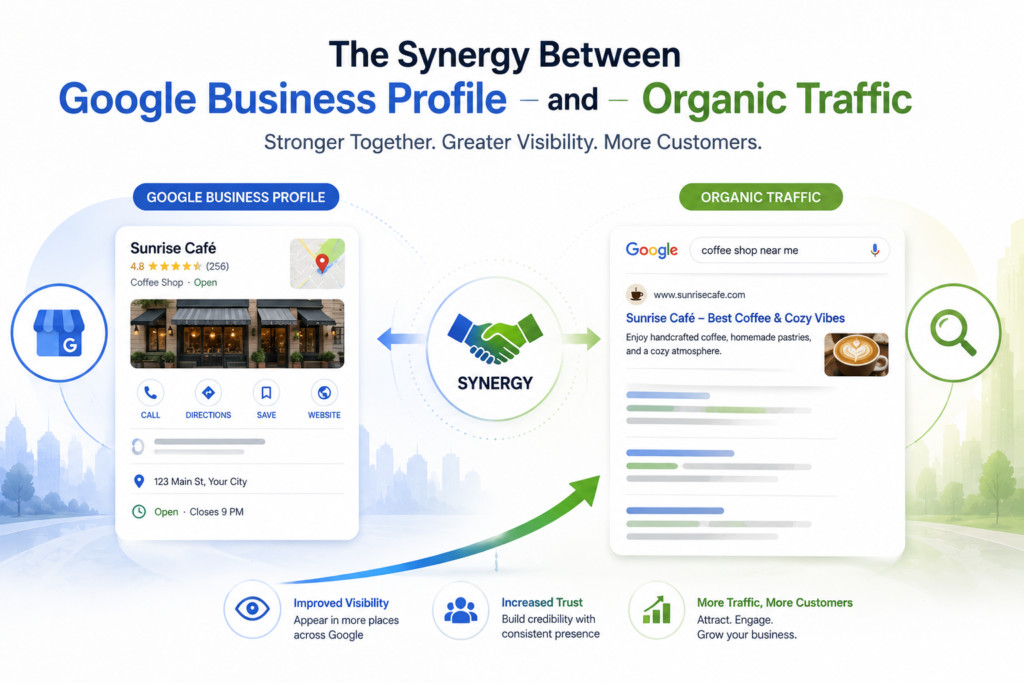
Your Google Business Profile acts as a digital storefront that bridges the gap between searchers and your physical location. When you align this profile with your website, you create a powerful engine for growth that captures high-intent Organic Search Traffic. This integration ensures that search engines view your business as a relevant and trustworthy authority in your specific area.
Optimizing Your Profile for Local Discovery
To maximize your visibility, you must ensure that every detail on your profile is accurate and complete. Start by verifying your Name, Address, and Phone number (NAP) to maintain consistency across the web. High-quality photos of your storefront, team, and products provide visual proof of your legitimacy to potential customers.
Regular updates are essential for maintaining a competitive edge. Posting news, offers, or event updates keeps your profile fresh and encourages users to engage with your brand. By consistently feeding information to your profile, you signal to search engines that your business is active, which directly boosts your Organic Search Traffic potential.
Converting Organic Visitors into Local Leads
Attracting visitors is only the first step; the true value lies in turning those clicks into actionable leads. You should utilize clear calls-to-action (CTAs) such as “Call Now,” “Book an Appointment,” or “Get Directions” directly on your profile. These features remove friction, allowing users to connect with your business in seconds.
Monitoring your performance metrics helps you understand which strategies drive the most conversions. By analyzing how users interact with your profile, you can refine your approach to better meet local needs. This data-driven mindset ensures that your Organic Search Traffic consistently translates into real-world revenue for your business.
| Profile Feature | Primary Benefit | Conversion Impact |
|---|---|---|
| Business Description | Keyword Relevance | High |
| Customer Reviews | Social Proof | Very High |
| Booking Links | Direct Action | Maximum |
| Photo Gallery | User Engagement | Medium |
Technical SEO Considerations for Regional Performance
Achieving high visibility requires more than just great content; it demands a robust technical framework. When your site architecture is optimized, you provide a smoother path for crawlers to understand your geographic relevance. This foundation is vital for improving your search engine ranking in competitive local markets. It also helps protect and grow organic search traffic.
Improving Site Speed for Local Mobile Users
Mobile users often search while on the go, meaning they expect near-instant results. If your pages take too long to load, visitors will likely abandon your site, which negatively impacts your search engine ranking. You should prioritize compressing images and leveraging browser caching to ensure rapid delivery.
A fast-loading site is not just a convenience; it is a core requirement for modern web standards. By minimizing server response times, you create a better experience that encourages users to stay longer. This engagement signals to algorithms that your site provides high value to local searchers. Higher engagement often results in better organic search traffic performance.
Ensuring Mobile-First Indexing Success
Google primarily uses the mobile version of your content for indexing and ranking. To succeed, your site must be fully responsive and display correctly on various screen sizes. Ensuring that your mobile layout mirrors your desktop content is essential for maintaining a consistent search engine ranking.
You must also ensure that your structured data and internal links are accessible on mobile devices. If your mobile site lacks the critical information found on your desktop version, you risk losing visibility. Consistent technical performance across all platforms is the key to long-term success.
| Technical Factor | Impact on Performance | Optimization Goal |
|---|---|---|
| Page Load Speed | High | Under 2.5 seconds |
| Mobile Responsiveness | Critical | Fluid layouts |
| Crawlability | High | Clean site architecture |
| Search Engine Ranking | Primary | Top-tier visibility |
Analyzing User Behavior and Engagement Metrics
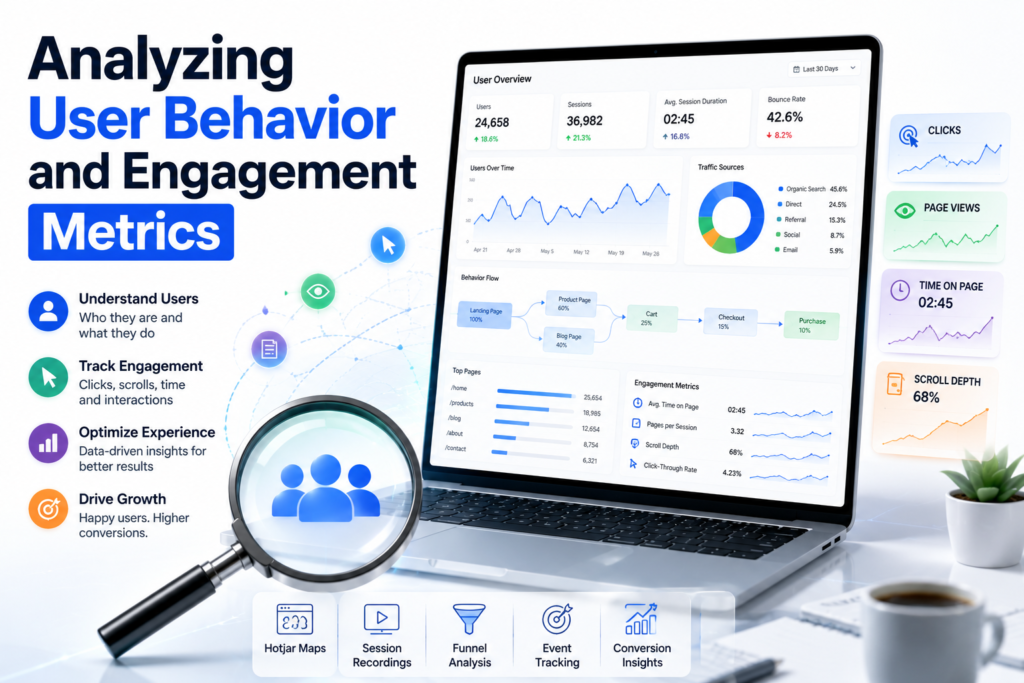
Your website’s engagement metrics tell a compelling story about how local customers find and use your services. By tracking these patterns, you gain the power to make data-driven decisions that refine your ongoing strategy. This process is essential for maintaining high serp rankings and ensuring your business remains visible to the right audience. It also helps you understand how organic search traffic behaves on your website.
Interpreting Bounce Rates for Local Landing Pages
A bounce rate indicates the percentage of visitors who leave your site after viewing only one page. When this number is high on a location-specific landing page, it often suggests that the content fails to meet the user’s immediate needs. You should verify that your page load speed is optimal and that your contact information is clearly visible.
If visitors arrive from a local search but leave quickly, they might not find the geographic relevance they expected. Ensure your headers and copy explicitly mention the city or region you serve. By aligning your content with local intent, you can effectively lower bounce rates and improve your overall serp rankings.
Using Heatmaps to Understand Local User Intent
Heatmaps provide a visual representation of where users click, scroll, and hover on your pages. This tool allows you to see exactly which elements capture the most attention from your local visitors. You might discover that users are clicking on non-clickable images or ignoring your primary call-to-action buttons.
Once you identify these friction points, you can rearrange your layout to prioritize the most important information. Optimizing your user interface based on these visual insights creates a smoother path to conversion. Consistent monitoring of these behaviors will ultimately support your efforts to climb higher in serp rankings and dominate your local market.
Are Local Customers Finding Your Business?
If your website is not attracting qualified local traffic, you could be losing potential customers to competitors every day. Strengthen your local presence and turn more searches into leads and sales.
Common Pitfalls in Local SEO Optimization
Achieving high local seo visibility requires more than just hard work; it demands a strategic approach that avoids common traps. Even the most well-intentioned marketing campaigns can falter when they fall victim to basic errors in seo optimization. By identifying these hurdles early, you protect your brand from unnecessary search engine penalties.
Avoiding Keyword Stuffing in Geographic Content
Many business owners mistakenly believe that repeating their city or neighborhood name dozens of times will boost their rankings. In reality, this practice is known as keyword stuffing and is heavily penalized by modern search algorithms. Search engines prioritize natural, helpful content that provides genuine value to the reader.
Instead of forcing geographic terms into every sentence, focus on creating high-quality content that answers user questions. Use location markers sparingly and only where they feel organic to the conversation. This approach ensures your seo optimization efforts remain sustainable and effective over the long term.
Managing Inconsistent NAP Data Across the Web
Your Name, Address, and Phone (NAP) data serves as the foundation of your digital identity. When this information varies across directories, social media, and your website, search engines lose confidence in your business. Consistency is the key to building trust and improving your local seo visibility.
Take the time to audit your listings on major platforms like Google Business Profile, Yelp, and Bing Places. Ensure that every detail matches exactly, including suite numbers and phone formats. A clean, unified footprint signals to search engines that your business is legitimate and active.
| Strategy Element | Recommended Practice | Common Pitfall |
|---|---|---|
| Keyword Usage | Natural, context-driven | Excessive repetition |
| NAP Data | Uniform across all sites | Varied formats/details |
| Content Focus | User-centric value | Search engine manipulation |
| Listing Updates | Regular verification | Ignoring outdated profiles |
Scaling Your Local Presence Across Multiple Locations
Expanding your business footprint requires a strategic approach to maintaining visibility across multiple regions. As you grow, the complexity of your digital footprint increases, making it essential to prioritize seo for local visibility to ensure each branch performs well in search results. A structured roadmap allows you to maintain high standards while reaching new customers in diverse geographic markets.
Creating Unique Content for Different Service Areas
One of the biggest mistakes businesses make when scaling is using thin or duplicate content across location pages. To succeed, you must craft bespoke content that speaks directly to the needs and interests of the local community in each specific area. This approach signals to search engines that your business is a relevant, active participant in that local economy.
Focus on highlighting local landmarks, specific regional services, and community involvement to build trust. By providing unique value on every landing page, you improve your seo for local visibility and provide a better experience for your visitors. Avoid simply swapping city names in a template, as this rarely resonates with users or search algorithms.
Managing Reputation Management at Scale
As your number of locations grows, keeping track of customer feedback becomes a significant challenge. You need a centralized system to monitor and respond to reviews across all platforms, ensuring that your brand voice remains consistent. Promptly addressing feedback is vital for maintaining a positive reputation, which directly influences your search rankings.
Encourage satisfied customers at every location to share their experiences online. By automating review requests and utilizing management software, you can stay on top of your digital reputation without sacrificing quality. Consistent engagement across all regions reinforces your authority and helps you maintain strong seo for local visibility as you continue to scale your operations.
How Many Local Customers Are You Missing?
Every day you are not visible in local search results, potential customers are finding and choosing your competitors instead. Strengthen your local presence and capture more high intent traffic.
Conclusion
Achieving long-term success requires a commitment to refining your digital footprint. You must integrate on-page, off-page, and technical strategies to build a robust local presence that resonates with your community.
Consistent application of these principles ensures your business remains a top choice for customers in your target region. You will see your serp rankings improve as you align your content with the specific needs of local searchers.
View local search optimization as an ongoing process of adaptation to changing trends. Search engines reward brands that provide relevant, accurate, and high-quality information to their users.
Take action today by auditing your current performance metrics. Your dedication to these practices will solidify your authority and help you climb the serp rankings in your competitive market.
FAQs
How does organic search traffic specifically improve my local SEO visibility?
Organic search traffic acts as a validation signal to search engines like Google, indicating that your content is highly relevant to users in a specific geographic area. When local users frequently click on your website in search results, it builds your authority, which in turn boosts your local SEO visibility. This cycle helps your business capture a larger share of the local market by appearing more prominently when potential customers search for your services nearby.
Why is keyword research different when targeting a local audience?
Unlike broad national campaigns, keyword research for local markets focuses on high-intent phrases that include geographic modifiers, such as “near me” or specific city names. By using tools like Semrush or Ahrefs to identify these terms, you can tailor your strategy to match the exact search behavior of your neighbors. This ensures that the seo for local visibility you are building is grounded in the actual language your customers use to find businesses like yours.
What on-page SEO elements are most important for signaling geographic relevance?
To signal your location effectively, your on-page SEO must include localized meta tags, headers, and body content that mentions specific landmarks or neighborhoods. Additionally, implementing Schema Markup—specifically the LocalBusiness type—is essential. This structured data provides Google with clear information about your physical address, phone number, and hours, which directly supports your search engine ranking in localized results.
How does off-page SEO contribute to my brand’s local authority?
Off-page SEO focuses on building your reputation through external sources. By securing consistent citations in directories like Yelp and the Better Business Bureau, and earning backlinks from regionally relevant sources like Patch or local chamber of commerce websites, you provide search engines with a “vote of confidence.” These external signals are critical for improving your SERP rankings and establishing your business as a trusted local entity.
Can a well-optimized Google Business Profile drive more organic search traffic to my website?
Absolutely. Your Google Business Profile and your website work in tandem; a profile optimized with high-quality photos and regular updates increases your chances of appearing in the “Local Pack.” This visibility often leads to an increase in organic search traffic as users click through to learn more about your services, effectively bridging the gap between local discovery and online engagement.
What are the risks of poor technical SEO optimization for regional performance?
If your website suffers from slow load times or a poor mobile experience, your search engine ranking will likely decline, especially given Google’s mobile-first indexing. Local users often search on the go using networks like Verizon or AT&T; if your site isn’t fast and responsive, you will lose that organic search traffic to competitors. Comprehensive SEO optimization must include technical health checks to ensure your location-specific pages are easily crawlable and user-friendly.
How can I avoid common pitfalls like inconsistent NAP data?
Maintaining consistent Name, Address, and Phone (NAP) data across the web is vital. Inconsistencies between your website, social media profiles like Facebook, and local directories can confuse search algorithms and hurt your local seo visibility. You should also avoid “keyword stuffing” your geographic content; instead, focus on natural language that provides genuine value to your local audience while maintaining a professional and authoritative tone.
What is the best strategy for maintaining high SERP rankings across multiple locations?
To scale your presence, you should create unique, high-quality landing pages for each service area rather than using cookie-cutter templates. This avoids duplicate content issues and allows you to customize your on-page SEO for each specific community. Managing your reputation on platforms like Trustpilot at scale further ensures that each branch maintains a high search engine ranking and continues to attract localized organic search traffic.
How long does it take to see results from local SEO?
Local SEO typically takes 3-6 months to show noticeable results. Factors such as competition, website authority, and consistent optimization efforts can impact how quickly your rankings and organic search traffic improve.
Why are customer reviews important for local SEO visibility?
Customer reviews help build trust with both search engines and potential customers. Positive reviews can improve local search rankings, increase click-through rates, and strengthen your business’s online reputation.